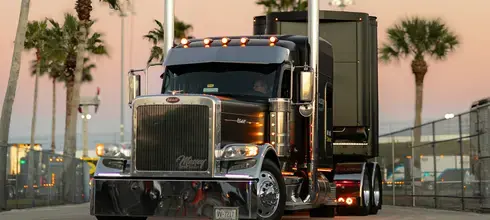


What Is Terminal-to-Terminal Auto Transport?

Terminal-to-terminal auto shipping is a method of auto transportation that relies on centralized terminals for car shipment. A customer can drop off and pick up their vehicle at a designated location near their own address. It’s different than door-to-door shipping as the carriers do not collect the vehicle from the customer’s address. There are many advantages to using this shipping method, including storage and ease of transferring.
How Terminal-to-Terminal Transport Works
At a basic level, Terminal-to-terminal transportation is the simplest form of car shipping, and is, in fact, the first and original method of transportation. Centralized hubs, or terminals, are designated shipping areas where cargo, in this case, a vehicle, is shipped to rather than an address. This is quite beneficial if you need to ship a car to or from a rural area, as it allows for much easier access to the vehicle, forgoing any legal liabilities of picking up a car from an urban center.
Step-by-Step Process of Terminal Car Shipping

We can break down this service into 7 basic steps, showcasing the basics and allowing you to understand its benefits.
- Step 1: Customer books the service from a car shipping company;
- Step 2: The customer drops off the vehicle at the designated terminal
- Step 3: Terminal workers fill out the intake papers and do a pre-loading inspection on the car to determine its condition.
- Step 4: The vehicle is placed into storage until loading time.
- Step 5: The vehicle is loaded and transported to its final destination terminal;
- Step 6: Vehicle is unloaded, inspected and stored awaiting its owner;
- Step 7: Customer comes to collect their vehicle after notification for pickup.
There may be significant waiting time between terminal deliveries; the process is a lot slower than door-to-door shipping, however, it allows for a lot more relaxed pace, and it's a bit more affordable.
Pros and Cons of Terminal-to-Terminal Auto Transport

There are several advantages and disadvantages to terminal-to-terminal auto transportation, for instance, the base cost of this service is a lot lower per mile for the customer, allowing for budgeting.
Pros of Terminal-to-Terminal Auto Transport:
- More affordable
- Better suited for long-distance hauling
- Allows for more flexibility for the carrier.
- Provides a storage option for a limited time;
- Gives the customer time to prepare documentation;
Cons of Terminal-to-Terminal Auto Transport:
- Takes longer to complete
- May include additional storage fees after a certain period;
- Not optimal for inoperable vehicles;
Key Benefits of Terminal Car Shipping
Terminal shipping provides carriers with the ability to maximize load efficiency, allowing them to group vehicles that travel to the same terminal. This consolidation lowers the overall cost per mile for the carrier, providing the customer with a likewise lower base cost for the service. It also provides logistical companies a better coordination due to slower transportation times. It's overall great for customers who are looking for a budget solution.
Cost-Effectiveness of Terminal-to-Terminal Transport
There are multiple reasons why terminal-to-terminal transportation is more cost-effective than other options. For once, carrier drivers do not have to make individual stops and navigate narrow urban centers with their large rigs. This allows for a lot more straightforward scheduling, due to the straightforward accessibility of the terminals.
It’s important to understand, however, that while it's a lower base cost per mile, terminal shipping may include additional handling fees, storage fees after a certain period, as well as require the customer to consider additional personal transportation costs to and from the terminal itself.
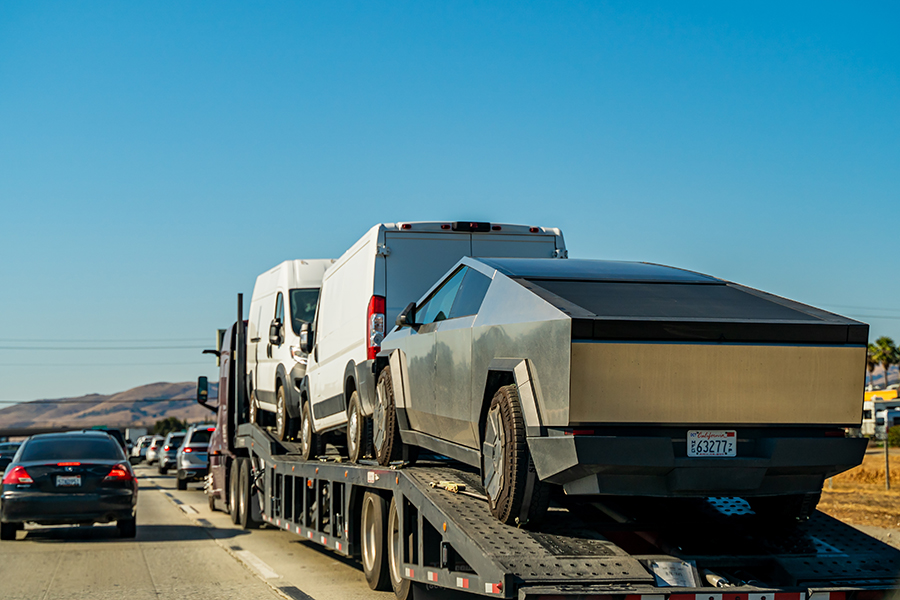
Ideal Situations for Choosing Terminal-to-Terminal Services
This method is the ideal choice for non-urgent, long-distance relocations on a budget. It's also perfect for fleet transfers or for customers who live near large urban centers, with a restriction on carrier operations due to rig and truck sizes.
Some city ordinances forbid the entry of large vehicles in certain areas due to congestion and the easing of traffic and emissions. Terminal transfers forgo these restrictions, providing an alleviation for both the customer and the carriers.
How to Book Terminal-to-Terminal Car Shipping
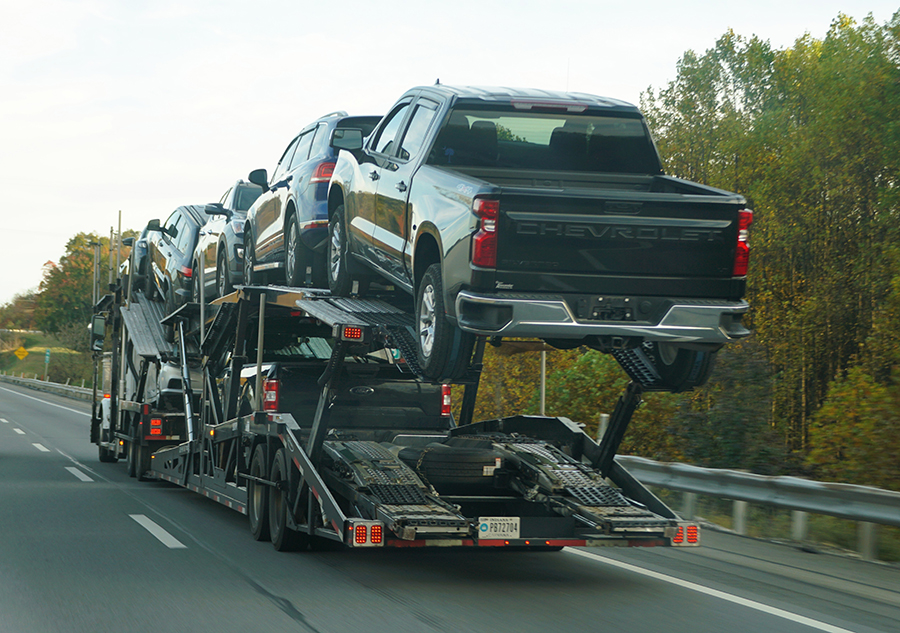
Booking is quite simple; you only need to find a car shipping company that provides this type of service - not all companies have access to logistical terminals that work with vehicles, so you might need to look around.
It's best to focus on a company that operates in all 50 U.S. States, as it can provide assistance both upon pick up and collection. After finding the company, you contact them and specify the type of vehicle, its condition and the desired destinations. They will give you the closest terminals for drop-off and pick-up, and you choose if those suit you.
What Happens After You Drop Off Your Vehicle?
Once you’ve dropped off your vehicle at the designated terminal, it’s thoroughly inspected, after which it's stored in a safe, low-traffic area of the terminal until its carrier arrives. Sometimes it might sit for a while for the carrier to accumulate other vehicles heading to your desired end terminal. You will be given a certain time frame for delivery, though these times are a lot longer than with conventional car shipping.
Vehicle Security at Terminals
It's absolutely normal for you to be concerned about the security of your vehicle once you’ve dropped it. It's important to understand that once you hand it over to the carrier, they are fully responsible for its condition and safety. In cases where any sort of damage occurs on the vehicle during the storage or transportation process, you will be compensated as per the carrier’s insurance policy.
One big misconception is that terminal-to-terminal transportation is a lot cheaper than regular services; however, that is not always the case. In situations where there’s a significant handling or storage fee, the cost of terminal shipping may be greater than that of regular car transportation. It's always important to understand what sort of fees your vehicle might be subjected to in what cases, as it will determine if this option is the right one for you or not.
Comparisons: Terminal-to-Terminal vs. Door-to-Door Shipping
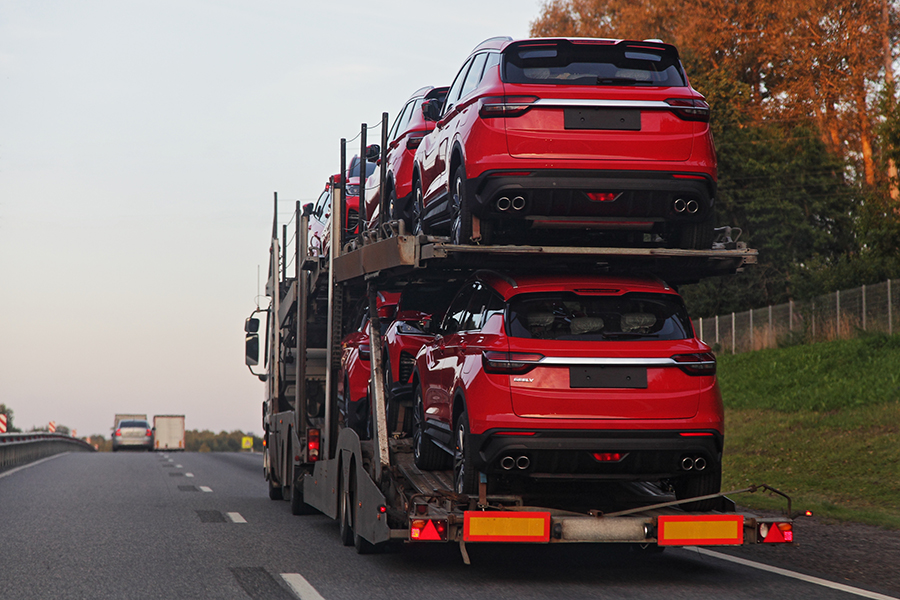
Terminal-to-terminal shipping is a lot slower than door-to-door shipping; terminal shipping is also often a lot cheaper, at least per mile transported. However, door-to-door shipping is a lot more convenient for the customer.
Door shipping is also a bit more involved for the carrier, as they have to make individual stops at each address. It’s a lot more difficult to provide an efficient logistical schedule as the service depends on the customer’s availability. It’s also a bit more work for the carrier as not all locations are suitable for door-to-door shipping.
Terminal shipping is ideal for delivering cars near an urban center, which is often characterized by heavy traffic, narrow streets, and corners that are hard to navigate for a large car-carrying rig.
Scheduling and Timing: What to Expect
Terminal deliveries often include flexible delivery windows, a spectrum of dates and available hours for pick-up, rather than a fixed date, as is with door-to-door shipping. This method prioritizes logistical scalability and the consolidation of effort in order to achieve peak efficiency; it's a lot more convenient for the carrier than for the customer. It's ideal for budgeting.
Limitations of Terminal-to-Terminal Shipping
There are, of course, limitations to everything, including terminal-to-terminal shipping. For instance, it's not an ideal choice for customers with a strict schedule - this method is a lot more relaxed in its scheduling, giving customers time windows of days or weeks for delivery.
It’s also not ideal for big vehicles, vehicles that are inoperable, or for collections in urban centers, as terminals are few and far between, increasing the personal travel time for the customer.
Types of Vehicles Suitable for Terminal Transport
This service is best suited for regular passenger cars, SUVs, sedans, coupes, etc - basically the most common vehicle types on the road. On the other hand, oversized, modified, or expensive classic vehicles may require additional handling fees as they are non-standard for the terminal crews and require extra attention and care.
How to Find Car Transport Terminals Near You
Once you’ve found the company you want to work with, you can ask them to list the terminals near your specified locations, or you can look through the company’s website, as they often list the available terminals they operate in. Urban centers and metropolitan areas are more likely to have terminals than rural areas.
Researching Auto Transport Companies
What you are looking for is a licensed company with a proven track record that upholds high standards and has all of the appropriate documentation, insurance, and outstanding customer reviews. Make sure they are experienced with terminal-based shipping before booking with a provider.
Understanding Terminal Charges and Fees
This is where unforeseen costs may pile up, depending on how you handle the actual pick-up process. Terminals may charge for handling, storage, administrative processes, after-hours pickups, etc. It's best to inform yourself about the different possible charges you may have to pay before booking, so ask as many questions as possible during the booking process. Once it comes down to paying, ask for an itemized list of charges so you can review them before paying as to see if there are any charges you were not made aware of during the booking process.
Daily Storage Fees Explained
Terminals have a limited storage space, as well as often rely on overflow storage space, which is used for delayed pickups, which may occur due to many reasons - logistics are complex after all, and many things can go wrong, causing a delay.
When it comes to storage fees that you have to cover, they often come after a certain grace period of storage, perhaps 2-3 days after the delivery, after which your vehicle gets penalized for overstaying. Why? Because the terminal operation requires that space for other vehicles, overstaying or delaying the pickup of your vehicle costs the company available space.
Can You Arrange for Someone Else to Drop Off/Pick Up Your Vehicle?
Yes. It is possible for 3rd party pickups and drop-offs as long as the relevant authorization and documentation are provided in both cases. It’s always a good rule to communicate this with the service company you’ve chosen so they can anticipate the arrival of a 3rd party.
This being possible, provides some extra flexibility for you, making it possible for car dealerships to ship cars to customers, for customers to ship cars to other private individuals, for 3rd party companies like local car shippers, to collect the vehicle with a smaller trailer, making it possible to drop it off at an address.
Choosing the Right Auto Transport Terminal
The suitable terminal is usually one that is relatively close to the final destination of the vehicle, is secure, and well protected from the elements. It’s also a terminal that is near any major transport routes, making it advantageous for easy access and further shipping and allocations.
What to Check Before Using a Car Terminal
As a customer, you should check for the working hours, the fee structures of the terminal, its exact location, if it allows for storage, and what the storage fees are per day. You should also check how secure the terminal is and how suitable it is for you to collect the vehicle yourself, as opposed to going with a trailer or asking a 3rd party to collect it.
Ensuring Safe Delivery and Proper Paperwork
Proper documentation, like bills of landing, inspection reports, accurate pre-loading and post-offloading inspections, pickup documentations, etc, is essential for verifying your vehicle's condition and resolving any issues or insurance disputes.
Environmental Impact of Terminal-to-Terminal Shipping
Terminal shipping is quite beneficial to the environment as it significantly lowers fuel consumption and emissions per vehicle. It’s a method of transportation that consolidates localized shipments to a single location, reducing transportation redundancies and allowing carriers to optimize their loads per trip, reducing the carbon footprint of each load considerably.
How to Prepare Your Vehicle for Terminal Transport
Your vehicle should be clean, so it's easy to visually inspect for any damage. You should remove any personal items from the passenger’s compartment. It is allowed to transport personal items in the truck, secured in an enclosed container. Remove or disable any alarms, and keep the fuel level not more than ¼ of the tank full as per transportation regulations.
Insurance Considerations for Terminal Shipping
As a customer, you need to understand what sort of insurance coverage the service you are booking has, which is usually limited to $500,000. If shipping an expensive vehicle, additional insurance may have to be applied for. You should also enquire what sort of coverage you are provided during transit and storage, what the insurance covers, and in which cases it applies and in which it does not.
Dealing with Delays: What to Know
Delays happen, they are inevitable even to the best of companies - sometimes the weather is very bad, sometimes there’s an issue with a carrier, and other times traffic makes things a lot more difficult than they have to be. It's important to clearly communicate with the transport provider to best manage your expectations regarding delivery and transit times.
Alternatives to Terminal-to-Terminal Transport
Alternatives to terminal-to-terminal transport are hotshot transport services, door-to-door shipping, express shipping, private vehicle shippers, military car shipping, etc. Basically, regular services that focus on faster delivery times and do not have a terminal location for offloading delivered cars. These are the types of services that rely on carrier-to-customer deliveries and are a lot more private and tailored to the needs of the customer.