

Buying a car in the right state in 2026 can save you hundreds, and with luxury models, even thousands of dollars. The most significant impact make sales and registration taxes and local charges. These expenses can transform the end price immensely. So, checking where to buy and register a new or used vehicle makes a lot of sense. If that’s a hot topic for you right now, read on.
Inflation Impact on Used Car Prices

Presently, the used car market remains more expensive than usual. The Manheim Used Vehicle Value Index (MUVVI) reached 215.3 in March 2026, which is a yearly growth of 6.2% and 1.4% compared to the previous month.
What’s even more critical for buyers is the fact that non-adjusted wholesale vehicle prices are up by 5.7% year to year and 4.2% compared to February 2026. That shows that purchasing a vehicle in the most suitable state matters, but it's not the only factor in the equation. The base car price continues to increase.
Top 10 Cheapest States for New Cars in 2026 - Taxes and Fees Comparison

Whether a state is budget-friendly for purchasing new vehicles or not depends on many factors. These include the statewide sales tax, local taxes, county or city charges, registration taxes, title fees, emission or inspection expenses, and, when buying from another state, transport or delivery costs.
Now, let’s compare the expenses of owners of vehicles in different states in the USA. The good news is that there are 5 states with no fees: Alaska, Delaware, Oregon, New Hampshire, and Montana. The rest have taxes that range from 2% to 7.5%.
Oregon
Oregon is one of the lucky states that does not have sales taxes for car owners. If you’re buying an auto for 35,000 US dollars, you can save about $2,450 compared to a state with a 7% tax, like Indiana or Georgia.
But you still need to pay a registration tax of about $169 and a dealer doc fee of about $250 on average. All these expenses, when summed up, make Oregon among the most lucrative states for automobile buyers.
Alaska
Alaska is another state with 0% sales tax for cars and other autos. Its registration fee is $245, and the median doc fee is approximately $200. The state is a great choice for low initial prices of autos, especially if the local rules don’t add extra expenses.
Delaware
Delaware also has no sales tax for buying cars, which is one of the reasons it is in the chart of the US's cheapest states. The registration tax is low at $45, but the dealer doc fees situation is another case. Oftentimes, it is 4.25% on the vehicle’s price, which is a lot and can increase the car’s total amount by a great deal.
New Hampshire
New Hampshire is a totally different picture. The landscape here is very fruitful for buying vehicles. The state tax is 0%. The registration tax is only $51. In 2026, the title fee is about $35, while the registration fee increased to $4.80 - $10.80, depending on the weight class. Overall, NH is very competitive for car purchases, although not entirely without any administrative expenses.
Montana
This is one of the best states for affordable new car purchases, because there’s no state tax. The registration fee is about $237, while the median doc fee - $299. There may be a local sales tax of up to 0.7% in some counties. So, the total end price for auto purchases also depends on the exact location of registration.
Wyoming
Wyoming is one of the most affordable states for automobile purchases. It has a relatively low sales tax of about 4%. The local fees can increase the total expenses by approximately 4% to 6%, according to the exact county.
Wyoming’s registration fees are calculated following a value-based system instead of a flat rate. The base state fee for passenger autos starts at $30. There are other county fees depending on the car’s depreciation and value. Additionally, a one-time use/sales tax is applied upon registration, according to the county rate where the car is registered.
Colorado
Colorado can be more low-cost or pricey to buy a car, depending on your exact location. The base state sales tax is 2.9%, but in combination with local taxes, the total expenses can reach 10-11% in certain cities.
Colorado’s registration fees are comparatively higher than average. They include ownership tax parts that frequently range between $200 and $600 per year, especially for newer autos. Worth noting is that dealer fees here are uncapped and can sometimes surpass $500. The final price for Colorado vehicle purchases varies substantially by county.
Alabama
One of the budget-friendly states for auto purchases when it comes to taxes is Alabama. The state sales tax is only 2%. This, combined with the other local taxes, makes the rate 3% to 4%. The registration fees in Alabama are some of the lowest in the United States - $15 to $25 per year. The dealer document fees are also comparatively small.
Georgia
Instead of traditional sales tax, this state uses a completely different system. The Title Ad Valorem Tax (TAVT) is a one-off fee of about 6.6 to 7% of the car value, which is way better than the annual sales tax that other states have. Registration fees are small, usually about $20 a year. The title fees are minimal, too. Dealer fees are not capped and can vary.
Hawaii
Hawaii’s tax structure is simple. It applies the General Excise Tax (GET) of 4% instead of the traditional sales tax. This expense can reach to 4.5% with local surcharges. The dealer fees are reasonable. Registration fees are different in each county and, depending on the vehicle, range from $45 to $150 per year.
Hawaiian taxes are generally low. But shipping costs from the US mainland often add another $1,000–$2,000, which is a substantial surcharge.
States With No Statewide Sales Tax

The five states that lack sales taxes are Alaska, Montana, Delaware, New Hampshire, and Oregon. They are incredibly attractive to buyers who want to reduce their initial capital for autos.
Alaska
Alaska has a 0% state sales tax, but local municipalities can apply their own fee, which usually ranges from 1% to 5% depending on the location. Registration taxes are not high, being about $100 and $200 for standard vehicles for two years. So, the total expenses depend heavily on the exact municipality, city, and registration.
Delaware
Delaware has no sales tax but applies a document fee, which plays such a role. The doc fee is about 4.25% of the vehicle’s price, up to $800 - $900. Registration taxes here are small: $40 to $60 ech year.
Montana
One of the most tax-affordable US states with 0% sales tax on autos is Montana. Here, taxes are based on the car’s age and are approximately $100 to $300 for new cars per year. Older vehicles can get permanent registration. The state of Montana is often used for registration through an LLC (Limited Liability Company). Thankfully, it doesn’t have a local sales tax. Its low tax weight makes it preferable to others.
New Hampshire
The state has 0% sales tax, but there are basic and municipal taxes of about $150–$300 yearly, depending on the car and city. The perks here are the overall transparent structure and the lack of hidden fees.
Oregon
Oregon is another state with no sales tax. The additional expenses include a registration fee of about $120-$300 for 2 years and a title fee of $100-$200. The expenses are comparably predictable, so savings with larger vehicle deals are easy to calculate.
New Hampshire as the State with the Lowest Fees Nationwide
NH stands out not only for its lack of sales tax but also for its relatively low total expenses for vehicle possession. Its key advantage is its combination of no sales tax, moderate registration fees, and no aggressive extra government fees.
Overall, low taxes are not enough if the fees are high. New Hampshire keeps both at low levels. That’s why the state often ranks among the ones offering the best conditions for auto owners and purchases in general.
PNC recommends checking if temporary registration is necessary, whether the auto needs to go through inspection before registering, and the Department of Motor Vehicles' requirements. This is paramount if you’re buying from states with 0% taxes and plan to register it in a state with higher fees.
How to Buy a Car from Out-of-State Step-by-Step?
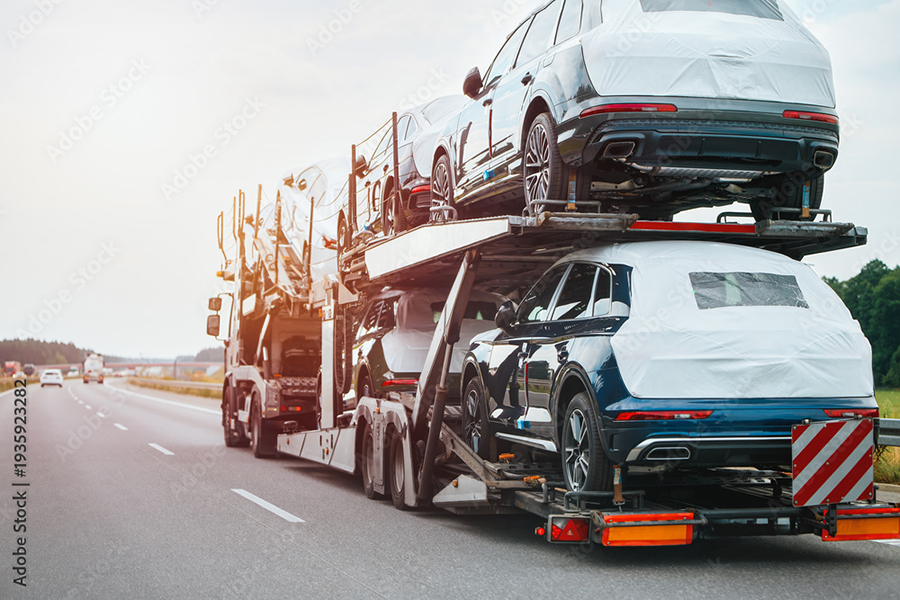
Purchases from other states are most lucrative when you calculate the total cost in advance. An excellent approach is to include transportation costs, car price, taxes, title registration, and insurance before paying.
Shipping, Registration & Taxes
The transportation expenses are so important that they can change the whole financial savings effect of the deal. They can eat up part of the economic impact with lower-cost cars. With higher-priced ones, the tax economy often remains the most significant factor.
Pitfalls to avoid
The most common mistake buyers make is checking only the purchase cost without taxes or registration fees. The second is overlooking local rules. Keep in mind that the total rate can increase substantially by city and county taxes, especially in states like Hawaii and Colorado.
Cheapest Time to Buy a Car in 2026 by State

The best time for car deals is usually at the end of the year when dealers clear their inventory and push for sales. The chance for discounts then is higher, especially if the models in question are hard to sell.
Generally, the trade price reductions are the highest when there’s pressure for monthly and yearly targets. If your purchase is not urgent, wait for such periods. This can give you hundreds of extra dollars in savings.
End-of-Year Deals & Holiday Sales
The end of the year and holiday campaigns are classic examples of strong moments for vehicle deals. It’s when dealers usually offer better out-the-door offers and financing conditions.
Dealer Hacks for Extra Discounts
The best tactics you can use are to compare a few merchants, ask for the final price, and be ready to leave any time you are not pleased with what they’re offering. In practice, these tricks often give better results than any initial proposal.
Cheapest Electric Vehicles by State
EV’s market is also heavily influenced by the tax environment. If the state in question has no or very low taxes, the electric vehicles become more affordable on a sale level, not counting your future savings on fuel.
The most logical states for a budget EV purchase profile are Montana, Oregon, Delaware, Alaska, and New Hampshire. In these, the initial tax load is minimal, which makes all the difference with higher costs.
Rising EV Deals in Low-Tax States
States with lower taxes, like Arizona, Nevada, and Florida, are gradually becoming key markets for profitable electric vehicles. With the diminishing of federal motivations, the dealers tend to offer bigger discounts. Furthermore, the lack of high taxes decreases the end cost additionally. All this makes the said regions a lot more compelling for buyers in 2026.
Low-tax states can become even more attractive if the dealers offer promotions or the manufacturers give discounts. In such a scenario, the buyer wins simultaneously from low tax and the lower sticker price.
The best approach in 2026 for you is to compare the total price, not only the list price. Taxes, fees, local incentives, and transport costs are the factors that determine if a deal is really worth it or not.