
Whether you transport an automobile, buy a car from another state, move your home, or send a vehicle for business purposes, two parties are usually involved. These are the auto transport carrier and the car shipping broker. For you to be able to make an informed decision and avoid unpleasant surprises, you need to understand the difference between them well. Ths gude wll help you with that.
Who Is an Auto Transport Broker?
The car broker company is the mediator between the client and the carrier. It doesn’t own any trucks or trailers but simply uses its network of licensed haulers to find the most suitable decision for the customer.
The logistics provider typically:
- Works with lots of transporters
- Compares prices and availability
- Coordinates logistics
- Ensures the communication and support
Axis Auto Logistics brokers often provide better flexibility and access to a wider market.
What Is an Auto Transport Carrier?
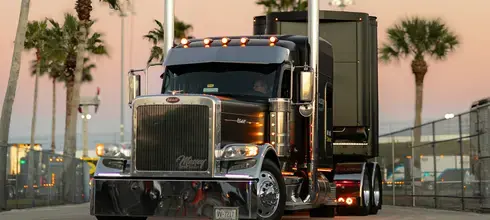
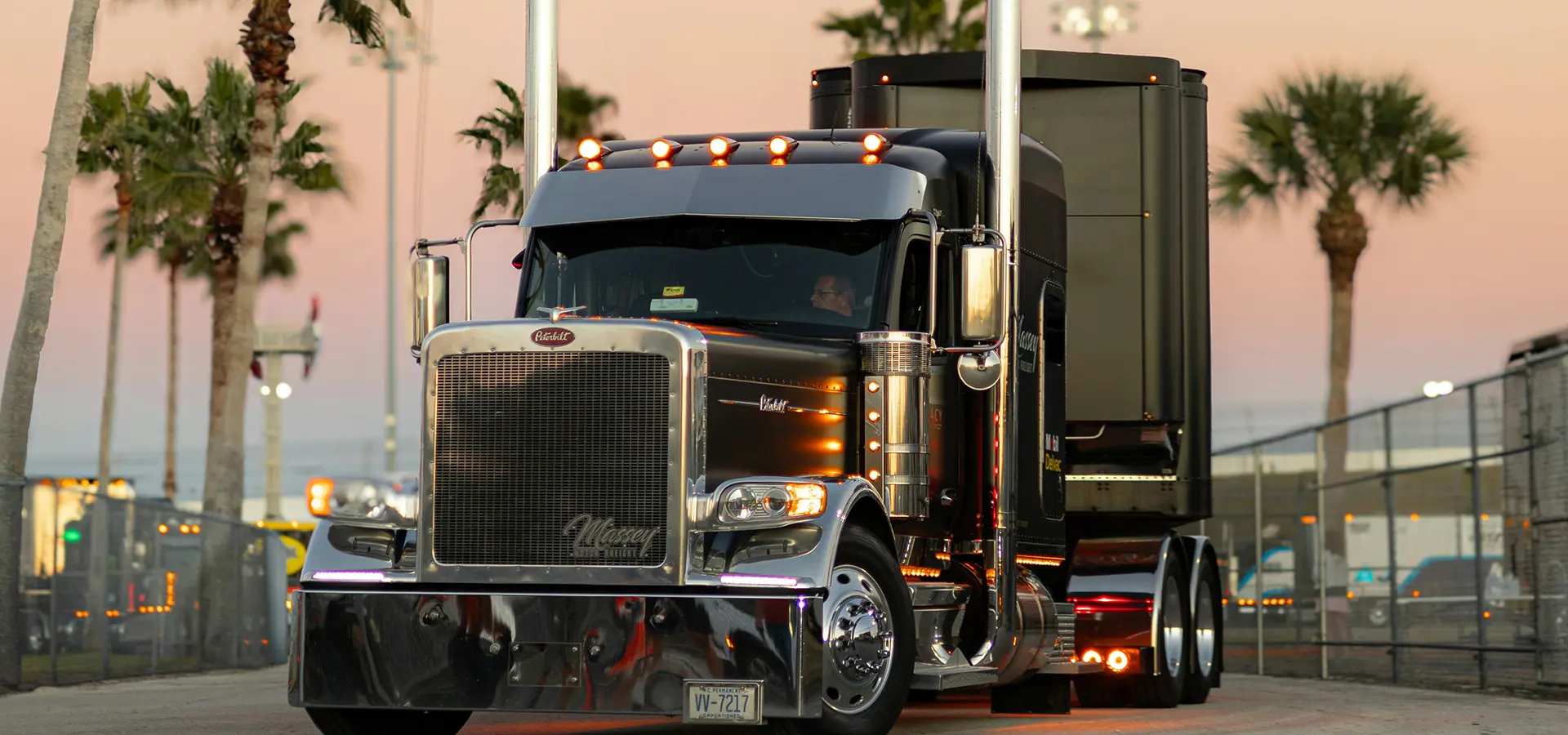
The car shipper is the company that carries out the transportation of the vehicles. It owns the trucks and trailers, and the drivers work for it.
The auto shipping company:
- Physically relocated the vehicle from pickup to delivery
- Is responsible for loading and unloading
- Is accountable for the safety of the autos during transportation
- Has direct control over the schedule (within its own routes)
Types of Auto Transport Carriers:
The main types of auto shippers are open, enclosed, and flatbed. Here we’ll explain each one of them briefly.
Open
This is the most commonly used option. With it, automobiles are loaded into open trailers and transported outdoors.
The main advantages of open transportation are:
- Lower price
- Wider availability
The most important disadvantage of this method is that the vehicles are exposed to the elements and all kinds of atmospheric conditions.
Enclosed
Enclosed shippers protect more luxurious, classic, and high-end autos from road debris and the weather. They guarantee:
- Full protection against outdoor influences and conditions
- Higher security
Their downside is the higher price you need to pay for the service. But if you own such vehicles, it makes perfect sense that you pay more to get better protection.
Flatbed
Flatbed carriers are used for untraditional, damaged, or specialized vehicles. It is suitable for heavy, oversized, and non-standard vehicles that do not fit on regular multi-car trailers. The disadvantages are the limited availability of the transportation method and the higher cost.
How Brokers Match Customers With Carriers
Brokers use specialized platforms called load boards to publish the transportation requests. The carriers check them and accept the ones that match their routes and prices.
The whole process follows these stages:
- The client submits their request
- The broker analyzes the route and the cost
- He publishes the request.
- The carrier accepts the course
- The broker coordinates the implementation.
Main Differences Between a Carrier vs Broker
Here are the main roles of each side of the shipping process and how they contrast with each other:
Who Owns the Truck or Trailer?
The hauler owns and operates all the shipment equipment. The broker does not own the truck and trailer and is not involved with the transportation of the vehicles. This matters because the owner of transport gear is responsible for its maintenance, and the responsibility for the physical relocation and the daily shipping operations.
Who Is Responsible for Pickup and Delivery?
The carrier is the one responsible for the physical picking up and delivery of the autos. The broker may schedule the appointment and ensure that the process is smooth and properly coordinated, but the hauler does the actual transportation. You can think of the broker as the logistics coordinator, and the carrier as the driver and shipping operator.
Who Controls the Auto Transport Scheduling?
Brokers have the most control over the coordination of carriers and planning of the whole transportation. They deal with schedules, confirm drivers’ availability, and match the route with the pickup time limit. Drivers are the ones who fully control the functional side of the process. They execute the shipping itself.
Who Handles the Rate and Pricing Structure?
Do you know who does the negotiation of costs when it comes to moving vehicles? Brokers do, and they offer customers the most cost-effective quotes. Broker shipping companies compare the available carriers’ services and market conditions to find a fair rate.
Carriers decide the cost for moving the vehicle, taking into account the distance, fuel, route demand, equipment, and vehicle type. The broker’s key value is in finding competitive prices for customers, so they are not forced to search shippers one by one.
What Does a Carrier Contract Typically Include?
A carrier contract usually covers the physical transport, which includes:
- the terms regarding pickup and delivery
- the expected condition of the vehicles
- both sides responsibilities
- the payment terms
- the liability in transit
- the insurance details
- the necessary documents
- special instructions (oversized, high-class, or out of order autos)
What Does a Broker Contract Typically Include?
A broker contract includes the following:
- the service terms
- communication guidelines
- Cancellation terms
- the broker’s role in transportation
Besides the above, the agreement may state that the shipping itself is implemented by a third-party carrier.
Are Carriers Licensed and Insured?
Yes, to be able to operate legally, carriers must be properly licensed and insured. Depending on the type of operating authority, vehicle type, and cargo profile, FMCSA insurance requirements may apply. That’s why you need to check the active authority and insurance before booking. A legitimate carrier should have:
- USDT number
- MC number
- Cargo insurance
- Liability to third parties
Are Brokers Licensed and Insured?
Brokers also need federal operating authority. They must meet regulatory requirements to work legally in the United States. Auto transport brokers are regulated at the federal level. They must:
- be registered through the FMCSA
- Have a $75,000 surety bond
- MC license
Brokers may also need other compliance items in accordance with their authority and business setup, so that customers are protected.
Carrier Responsibilities in the Auto Transport Process
The haulers’ job starts when the auto is assigned for transportation. Their responsibilities include:
- inspecting the car
- proper loading
- securing the auto for transit
- safely driving through the assigned route
- delivering the vehicle in proper condition and on time
Carriers deal with road conditions, handle the equipment, and are the ones responsible for the direct physical risks that transport can cause. That’s why the skill of loading and the choice of equipment matter so much.
Broker quotes and coordinates shipments
The customer’s primary point of contact is the brokers. They provide updates, changes in the route, and the recent info about scheduling and costs. They:
- Compare and offer quotes
- Equate available shippers
- Communicate with clients
- Check for service implementation
- Provide support
- Synchronize and organize the whole process.
Brokers’ role is incomparable for customers who value and require flexibility, more options to choose from, and support. They free you of the need to search for drivers.
Who Is More Accountable If Something Goes Wrong?
The carrier is usually responsible for solving operational problems, as they physically handle the vehicle. If the issue is related to communication, choosing shippers, or booking, the broker may also be in charge.
Generally speaking, accountability depends on what went wrong and who had control at that stage. The transport company manages transit, while the broker deals with the planning and organization.
Let’s compare both parties' responsibilities in problematic cases:
How to Verify a Carrier and a Broker Before You Book
To make sure that you’re using legitimate companies, you can start by checking their FMCSA and insurance status. Look for the company’s legal name, proof of current coverage, and MC or DOT information.
- You should also confirm:
- whether the company is a carrier or broker
- The type of equipment that will be used.
- Whether the shipment type is open, enclosed, or flatbed.
- What the contract states about delivery timing and damage claims
A simple verification process like this minimizes the risk of fraud, confusion, or unmet expectations.
What are the Pros and Cons of Both for You as a Client?
For most people, brokers ensure convenience, wider access to more carriers, and better flexibility in pricing. They are especially helpful when timing is flexible or when you need help in comparing more options.
Carriers can be a good choice if you already know the exact truck or course you want and prefer to communicate with the company that carries out the move yourself. On the downside, direct carrier booking ensures less flexibility and fewer route options than working through a broker. Besides a wider network of routes, the latter can offer you more competitive quotes
Let’s see how both parties compare from the client’s perspective:
In a nutshell, the broker simplifies the transportation process, while the carrier is the one to perform the move. Broker shipping companies give you loads of more options, better flexibility in terms of carriers and timing, and better quotes.