

Lets Investigate How Long It Take to Ship a Car Across the US and What Are the Key Factors that Impact the Delivery Time
When getting a car from point A to point B, one of the biggest questions customers have for the companies they book is, “How long will it take?” Today, we’ll be exploring this topic and answering other related questions, so you reading this, can be prepared for when you inevitably have to book a car shipping service.
First of all, why does this question matter? Because time management is all about being prepared, and when shipping a car, you need to both have it available for pick-up and have someone receive it at the end destination - it's about scheduling, time management, and managing expectations.
Most Popular Shipping Methods
By far the most popular car shipping methods are open and enclosed transport services - they are the original methods and are so far the most widely used and relied upon. There are other sub-classes of these methods, like the hot-shot auto transport services, so many brand new shippers start it, or the terminal-to-terminal shipping method, which uses a centralized shipping hub for moving vehicles all across the country.
Open Transport vs. Enclosed Transport
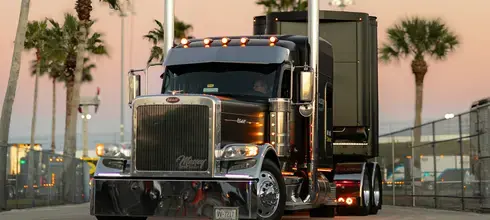
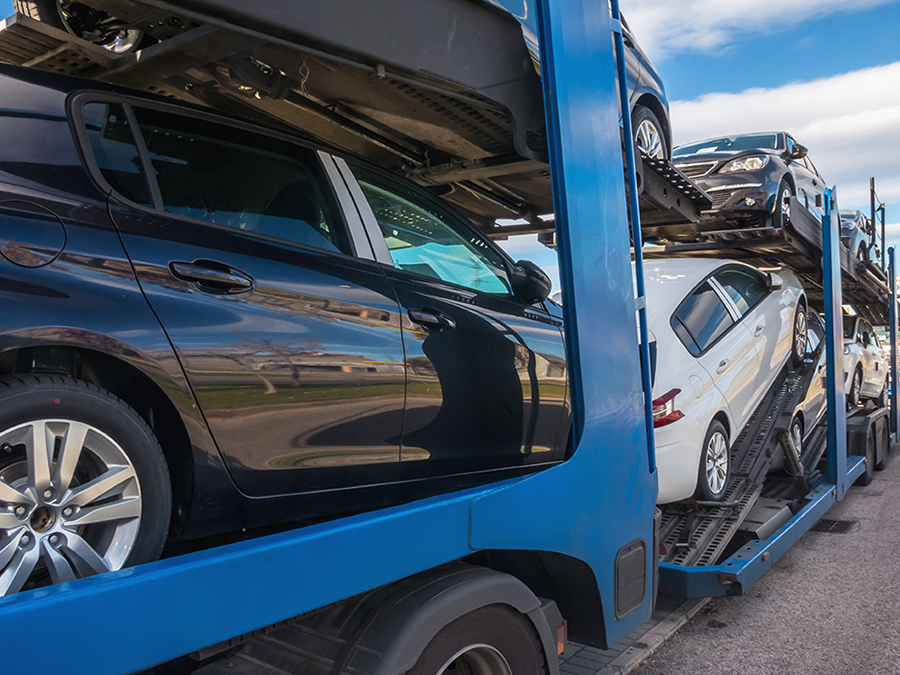
Open transport is the most used and searched for shipping method because it is both abundant and affordable. Its positives are that it supports a wide range of vehicle sizes, it is more affordable than the enclosed method, and that its easier to schedule for. The drawback is that the vehicle is exposed to the elements and road debris, and thus they can be damaged or arrive in a worse visual condition than when it was originally shipped.
The enclosed trailer method is the second most booked and sought-after booking method. It is mostly used for shipping luxury, classic cars that simply cannot be damaged during transportation. This method is more expensive, but the extra charge makes sense if you are shipping a vehicle that is more expensive than the trailer it is being secured on.
Main Factors Impacting Car Shipping Timelines

Here we’ll be breaking down the different factors that affect the delivery and shipping times, as well as how to possibly navigate them to get the most secure and efficient shipping time out of your order. It is important to understand that there is a minimum shipping time simply due to physical constraints and laws that prohibit excessive driving time for drivers, and exceeding speed limits simply to reach a destination sooner.
Distance and Its Effects on Delivery Time
Distance is by far the biggest factor for delivery times; it is the one thing that cannot be negotiated if the starting and final points are fixed and cannot be changed. This means that there is a minimum range in which the delivery time can fluctuate - there is a limit as to how fast and soon the delivery can be accomplished.
Influence of Pick-Up and Drop-Off Locations
If a vehicle is easy to reach with a heavy car hauler, or an 18-wheeler, then it will be much quicker to load. Furthermore, the closer a vehicle is to a major road artery or road network, the faster the carrier can reach it, meaning it will get loaded sooner within that 3-day window.
Most companies provide a 3-day window for loading from the date specified by the customer; they try to be as close to the desired date. However, sometimes the distance to the car presents a delay chance. The same goes for drop-off locations - the easier they are to reach, the better for the timeframe of both customer and carrier.
Seasonal Variations and Their Impact on Shipping Times

Just like with any industry, car shipping also sees seasonal variations in its demand upticks. The busiest time of year for car shipping companies is March to September and October to November. High-demand periods mean that there is a higher search and demand for these services, and customers inevitably compete with each other for service coverage.
If a customer’s area is particularly busy, the pick-up and drop-off time might be longer than with standard delivery times. Of course, car shipping companies are upfront about the timeframes possible during certain periods of the year, so customers know what to expect.
Weather Conditions and Shipping Delays
Weather is the second biggest factor for delivery delays, right after road closures or rough routes, like with mountain passes. Shipping companies closely follow weather patterns and weather windows to provide the best possible shipping and delivery times; however, nature plays by its own rules, especially during hurricane season, when unpredictable weather is basically around the corner every other week.
Shipping delays due to weather are becoming more frequent, as reported by many shipping companies on the East Coast, especially around Florida and Texas, which have seen abnormal temperatures, rainfall, and freezes.
Unpredictable Road Conditions
As far as professional car shipping companies go, they can predict and prepare for a lot, but not all, and sometimes road conditions can be quite unpredictable, especially around bodies of water, like lakes or rivers.
Early morning freezes can affect the travel time and safety of large car haulers, and thus, the best thing to do is either take a detour or wait for better temperatures and times to deliver. This can affect the shipping time for many people, creating delays from several hours to several days.
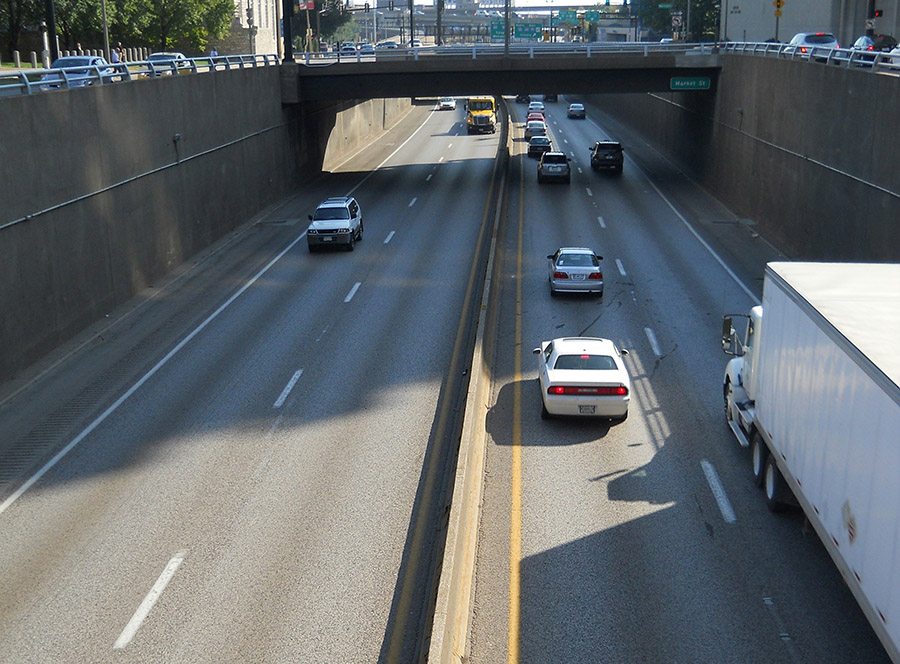
When there is high demand in a certain area and at a certain time of year, a carrier will make multiple stops along the way which take time to accomplish. These are collection stops which are made in order to collect and secure a new vehicle, which is going on the same way as any other given vehicle already secured on the rig.
Other reasons for extra stops along a route are due to road closures or delays, as well as the mandatory rest times for drivers, as detailed by the DOT.
Driver Regulations and Shipping Hours
Speaking of mandated rest stops, this is one additional avenue for delays or the reasons for a certain schedule timeframe. Drivers are obligated, by law, to log rest hours equal to 8 hours of rest during which they cannot operate.
These stops must be done in previously specified truck rest stops, which have accommodations for truckers where they can wash, relax, and get other services, either personal or on their vehicles. This basically means that there are shipping hours, and then there are resting hours which makes sense since driving non-stop with a heavy rig, without rest, is a recipe for disaster.
Choosing the Right Transportation Method

The transportation method you choose will determine two main things: the price and the level of protection your vehicle will have during the shipping process. Enclosed trailers are by far the most secure shipping method for cars; however, they are more expensive, and they are rare, which might cause a delay when booking.
Open trailers are abundant, more affordable, but don’t provide the same level of weather and road debris protection as enclosed trailers. Their abundance means that you will get a better chance of booking early and finding a carrier sooner.
Chosen based on your budget, the level of protection your car needs, and how realistic your timeframe will be with each method.
Estimating Car Shipping Times
As we’ve already explored, there are several facets that determine what sort of shipping time you’ll get based the methods you choose for shipping. There are some additional reasons for the shipping time that is important to understand in order to formulate a realistic understanding and expectation prior to booking.
Mileage-Based Delivery Time Calculations
The average carrier can manage up to 300-400 miles a day with normal road conditions, and accounting for loading times, traffic, driving with the speed limit and resting requirements for drivers. Based on these circumstances, a 1,000 miles trip can be done in 3-5 days, and a 2, 500 miles one can be managed under 10 days, without accounting for scheduling and pickup in difficult to reach areas.
Average Delivery Time by Distance Ranges
This is what you can expect from delivery times based on mileage ranges in the U.S. under normal road conditions.
- 0–500 miles: 1–2 days
- 500–1,000 miles: 2–3 days
- 1,000–1,500 miles: 3–5 days
- 1,500–2,000 miles: 5–7 days
- 2,000+ miles: 7–10 days
That being said, its important to understand that delays do occur and when they do they are due to unforeseen circumstances such as load closures, emergency roadworks, heavy and adverse weather, acts of nature and the like.
Factors Leading to Longer Shipping Estimates
The main factor for longer shipping estimates are rural pickups and deliveries since they are off the beaten path and require extra attention for safety and logistical scheduling. Its possible for delays to occur due to heavy urban spiral as well, as heavy traffic in certain areas may or may not affect the carrier’s ability to provide a door-to-door service if booked.
Basically, it comes down to how easy the vehicle is to reach from a major road network, how narrow or difficult to navigate your local streets, and generally how easy the car is to load and unload.
Understanding Timing Variability in Car Shipping

Car shipping generally operates in delivery windows rather than a fixed time, simply because it is too difficult and unrealistic to provide a specific time and keep it. Due to the logistical and scheduling complexity of car shipping over a long distance, car shipping companies are better off providing a shipping window, calculated based on the many variables we mentioned above.
It is also important to note that shipping windows are oftentimes kept within a 99% margin due to the need for scheduling precision and logistical windows. Basically, that means that a delay at the beginning can be made up in time for the next delivery, allowing all customers and participants to enjoy results while keeping disappointment to a minimum.
Impacts of Vehicle Condition on Shipping Duration
One other big factor for delivery scheduling that will come up when booking a car shipping service is the condition of the car. Operable vehicles which run, drive, and stop under their own ability are the norm and are easy to ship, without requiring additional equipment or time for loading and unloading - they are cheaper, faster, and easier to handle.
That does not mean you can’t ship a car that is inoperable or in a bad mechanical condition - it simply means that it will take longer, be more expensive, and require specialized equipment that might take longer to procure leading to longer pickup and delivery times.
Depending on the condition of the car, it might require equipment such as:
- A come along;
- Winch;
- Tires;
- Stop Blocks;
- A crane;
- Additional ratchet straps.
Planning and Booking Recommendations
We recommend planning at least a month; you can book as early as a few months out of the actual required shipping time. It will give the car shipping company plenty of time to find you the best carrier for the job, while also giving them space to negotiate and hunt for the company that is the right fit, both budget and ability-wise.
It's our understanding that sometimes things come up and require immediate attention and reaction on both your part and the company you book. If possible, try to avoid booking last-minute or same-day, as it will put extreme stress on both the carrier, shipper, and yourself, and it will increase the value of the shipping job.
While express shipping is available, same-day shipping is very rare, and in high-demand periods, it is virtually impossible to find. Even though there are more than 2 million registered carriers and motor transport companies in the U.S., it is unlikely that one can be available on such short notice, or if they are, they will charge a premium for the service.
We recommend having the car prepared for the shipping process before booking, as you will receive a 3-day window for collection after finalizing the booking. Give yourself more time and space to prepare the vehicle.
Attending to Mechanical Issues and Preparing the car for Shipping
It is important, both for safety and for the ease of shipping, to sort out any mechanical issues that might be present with the vehicle, more specifically:
- Breaks;
- Drivetrain;
- Gear input system;
- Reversing cameras;
- Tires;
- Fuel system leaks;
- Other fluid leaks.
These are the most vital systems in your car that make it run, drive, and stop, meaning that having issues in any of these systems makes it more difficult to load and unload, putting stress on the carrier and increasing the price of the service.
Tips for Faster Car Shipping Delivery

This is what we recommend for getting faster shipping delivery times - we know that a lot of people can be in a hurry, especially military personnel on a new PCS assignment, so we recommend doing the following when possible.
Optimizing the Delivery Destination
If possible, we recommend optimizing the delivery destination, or in other words, making it easier for the carrier to pick up the vehicle and deliver it. You can choose the terminal-to-terminal option as it is the most centralized and convenient shipping method from the carrier’s perspective.
If you live in a rural area or are delivering the car to one, it is possible to see longer delivery times, so we recommend delivering the car to an easier-to-reach destination so the carrier can reach it more readily, and thus quickly.
Choosing the Right Transport Mode
You can go for terminal-to-terminal shipping, which basically uses centralized logistical hubs for delivering, storing, and loading purposes, which are oftentimes located near big rural areas. It leaves the customer responsible for collecting the vehicle from its final destination and is oftentimes used for less urgent services.
Door-to-door deliveries are more accurate in their delivery destinations; however, they might cost a bit more and might not be possible at your location, depending on the accessibility for big, heavy car haulers.
Connections with the Driver for Faster Delivery
Some companies provide you with a phone number and details of the delivery driver, even before they’ve come to collect the vehicle for delivery. This allows you, the customer, to communicate directly with the driver and arrange a suitable pickup or drop-off location in cases where it is not possible to come and collect the vehicle straight from your front door.
Not all companies operate like this, but rather prefer to be the middleman, which can be quite tiresome. Luckily, this method of operation is on its way out, giving way to a more flexible, decentralized way of communication.
By having the driver's phone, you will be able to pinpoint the best routes as you have local knowledge of the local area and the available access to your destination.
Selecting the Right Car Shipping Company
There are more than 2 million registered motor transport companies in the U.S. as of 2025, making it quite difficult to discern between a good company and a company that looks good. There are some telltale signs whether a car shipping company is worth your time and money, or if they are better left alone.
Importance of Industry Experience and Reputation
Having experience in the industry is absolutely vital for several reasons - for one, it means safety, reliability and accountability with every action. On the other hand, it means a better understanding of how to select a carrier for you, because with experience comes a significant amount of data.
Most reputable car shipping companies have a database of the companies they’ve worked with and know to utilize when needed. They also have data on the carriers who are to be avoided simply because they cannot operate within the confines of a professional environment and cause a lot of problems.
Reputation is earned and built over time, and it's something that you cannot escape if you’ve built it the wrong way. Reputation is what others think of you based on what is known about you, so if a company is good, they’ll have the corresponding good standing with carriers and their peers, and vice versa for bad companies.
The Value of Shipment Tracking Technology
Modern shipping companies have versatile shipment tracking technologies which allow you to see the progress of your shipment. This is quite needed and very important for several reasons; for one, it gives the carriers a better understanding of how to optimize their processes, leading to better delivery times.
On the other hand, it gives the customer peace of mind and the time to prepare for collection or to finalize the delivery. In cases where multiple individuals are involved in the delivery acceptance process, tracking helps to organize the delivery recipients.
Since deliveries happen during a given time-window and not on a fixed time, delivery tracking allows customers to prepare in advance and get a better idea of when the shipment will arrive, rather than guessing and getting stressed.
Driver Safety and Equipment Standards
Safety is the number one priority for everyone involved in car shipping, whether that’s the customer, the carrier or the shipping company. A reputable carrier will put their drivers’ safety first, which will lend itself to a better working spirit for the driver who feels taken care of, rather than being taken advantage of. Happy carriers provide good results, and a good car shipping company will know and use that to the customers’ advantage.
High equipment standards might mean higher prices, but it also means a lower chance of damage to vehicles, less stress for the carrier, and a safer driving experience overall.